A single tooth replacement option designed for discreet, lightweight wear.
$399.00
Losing a tooth can affect more than the way your smile looks. Depending on where the tooth is missing, you may notice changes in how you speak, chew or feel when you smile. Even a single missing tooth leaves a gap that you’re constantly aware of.
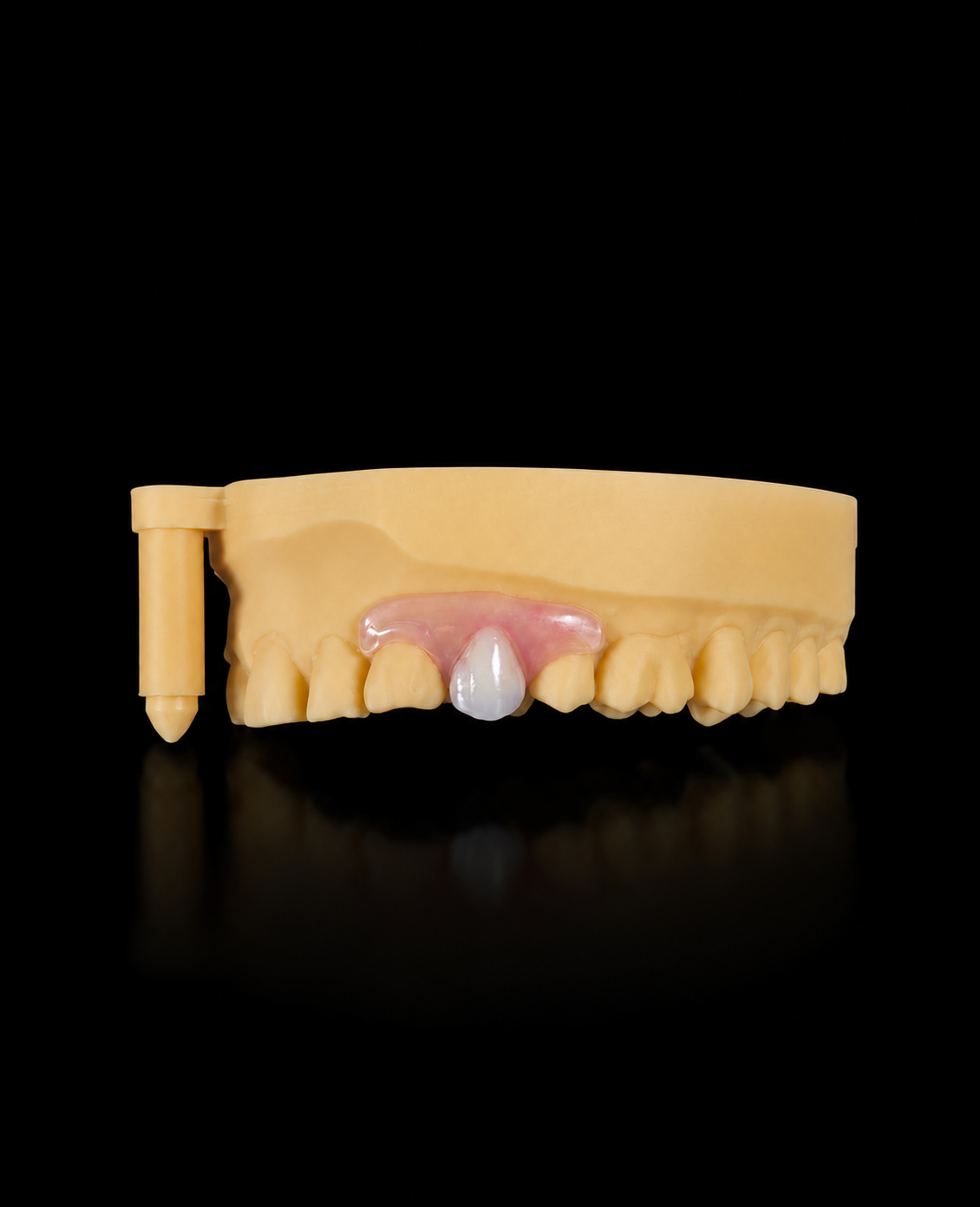
A Nesbit partial denture is a comfortable way to replace a single missing tooth without getting an implant or a traditional fixed bridge. It’s a small, removable appliance that uses the teeth around the gap for stability. Because the material is flexible and the appliance is relatively small, it is a perfect option for patients who want something less noticeable and less involved than some other tooth-replacement options.
A missing tooth affects both the appearance of your smile and functionality. Depending on where the tooth is located, you will notice a difference when chewing or speaking. On top of that, the surrounding teeth sometimes shift into the open space over time. Even when the gap isn’t easy for other people to see, it can still bother you.
There are several ways to replace a missing tooth, but each one has its own pros and cons.. Dental implants involve surgery and a healing period, while traditional partial dentures are more noticeable when you smile because of metal clasps. Most patients simply prefer something smaller and less visible. A Nesbit partial denture offers another option, using a flexible material and the surrounding teeth to keep the replacement tooth in place.

A Nesbit partial denture is a small, removable appliance made to replace a missing tooth. It is usually used for one missing tooth, although some designs can replace two teeth. Because it is much smaller than a traditional partial denture, there is less material in the mouth and no large denture base covering the gums or palate.
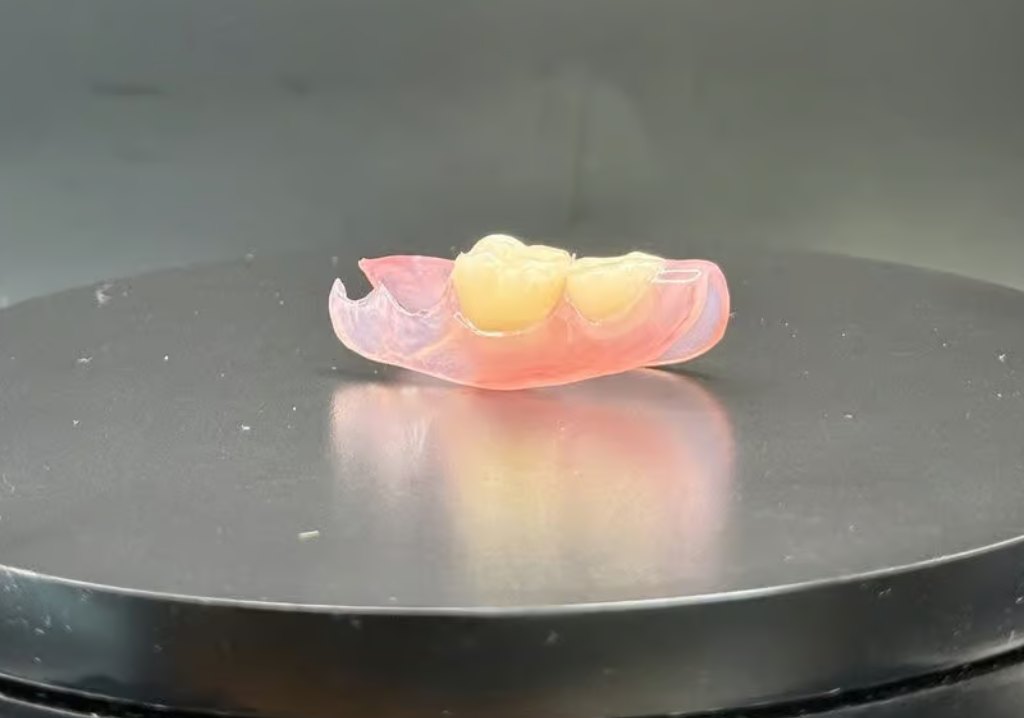
Nesbit flexible partials are made from flexible injected materials and are custom-made to fit the patient’s mouth. The replacement tooth is shaped and matched to the surrounding teeth. The flexible material fits around the nearby teeth to keep the partial in place. For patients who want to replace a missing tooth without an implant or a larger partial denture, this is a simple and more discreet option.
A Nesbit partial denture is a type of removable partial denture specifically designed to replace one or two missing teeth, typically on one side of the mouth. Its key feature is its minimalist design. Instead of a large acrylic plate covering the palate or a framework of metal clasps, a Nesbit consists of an artificial tooth attached to a flexible, gum-colored base with small clasps that grip the adjacent teeth for stability. This targeted design makes it exceptionally lightweight, comfortable, and durable.
Nesbit partials are an ideal choice for individuals who:
Its specific applications make it a premier choice for targeted tooth replacement.
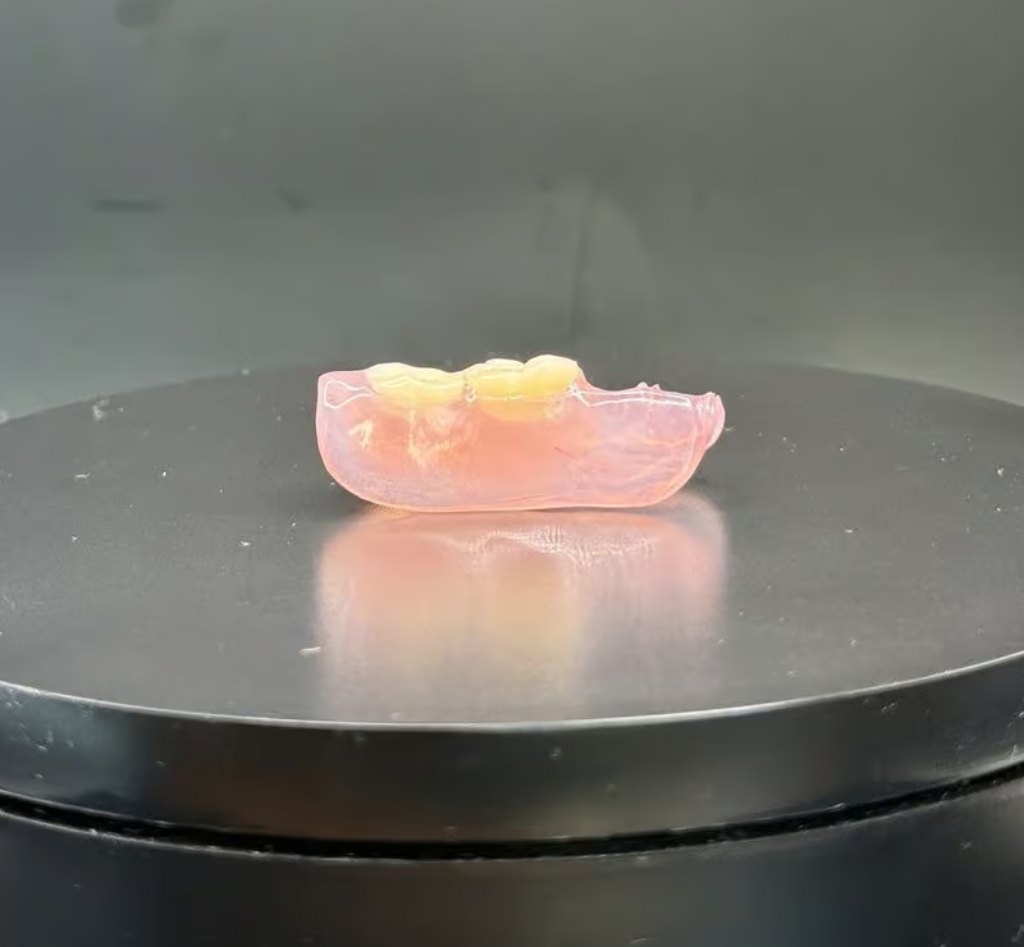
Every Nesbit partial denture is made for the individual patient and their specific smile. The fit, shape, and appearance are all tailored to the missing tooth and the teeth around it. That custom fit is an important part of making a Nesbit comfortable to wear and natural-looking.

A good fit makes a big difference in how a partial denture feels and functions. We start by taking precise impressions of your mouth so the Nesbit can be made to fit the shape of your gums and the teeth around the missing tooth. When properly fitted, it should stay in place as you talk and eat without putting unnecessary pressure on the surrounding tissues. A secure fit also reduces the movement and irritation that can make a removable appliance uncomfortable to wear.
A replacement tooth should look like it belongs with the rest of your smile. The color, shape and size of the tooth can be matched to your existing teeth, while the flexible material is made to blend with the surrounding gum tissue. The goal is a partial that doesn't immediately stand out when you smile, talk, or laugh.
A missing tooth can make chewing feel different, especially when the gap is in an area you use regularly. Replacing that tooth gives you another surface to chew with and can make eating feel more natural again. Missing teeth can also affect the way your tongue moves when you form certain sounds, so filling the space may improve speech for some patients. Your Nesbit is made to fit the specific gap in your smile, giving you a practical way to get back to your normal routine.
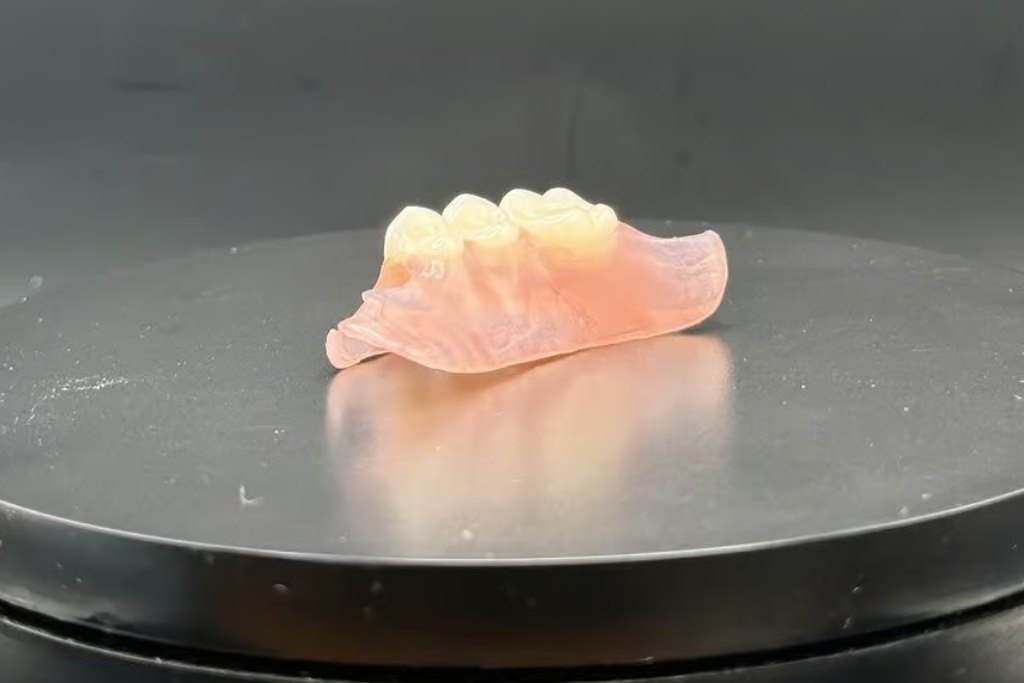
We do everything with safety and performance in mind. The material used to make a Nesbit flexible denture is very important in how it feels and holds up over time. We use flexible, biocompatible materials selected for use in dental appliances and made to meet applicable health and safety requirements. The material needs to have enough flexibility to fit comfortably around the surrounding teeth and still be durable enough for regular use.
Getting a custom Nesbit partial involves several steps, from taking impressions to creating and fitting the finished appliance. Our team works with you throughout the process so the partial is made to fit your mouth and replace the missing tooth as closely as possible..
Replacing a missing tooth can do more than change the appearance of your smile. It can also make everyday things like eating and speaking feel more natural. A Nesbit partial provides several practical benefits beyond simply filling the space left by a missing tooth.
When a tooth is missing, the teeth next to the gap can shift or tilt over time. Replacing the missing tooth fills that space and may reduce the chance of unwanted movement. A Nesbit partial gives you a removable way to replace the tooth plus keep the surrounding teeth in their existing positions.
A missing tooth can make chewing less comfortable, especially if it's one of the teeth you rely on to break down food. Replacing it gives you another surface to chew on and can make eating a wider variety of foods easier. How much of a difference you notice will depend on which tooth is missing and the rest of your bite.
Your teeth and tongue work together when you speak, so a missing tooth can sometimes change the way certain sounds come out. Replacing the tooth fills that space and may make some sounds easier to produce. As with any removable dental appliance, it can take a little time to get used to speaking with your Nesbit.
For many patients, the biggest difference is simply feeling better about having their tooth back. A visible gap can make you more aware of your smile when you're talking, laughing or meeting people. Having a replacement tooth that looks natural can make those everyday situations feel more comfortable.
Your Nesbit partial needs regular cleaning just like your natural teeth do. A simple daily routine keeps the appliance clean, comfortable and looking its best. The way you care for it can also affect how well it holds up over time.
Clean your Nesbit partial every day to remove food and plaque. Use a soft-bristled denture brush with a non-abrasive denture cleaner, instead of regular toothpaste, which can be too abrasive and may scratch the surface. Give the partial a thorough rinse before putting it back in your mouth.
When you're not wearing your partial, follow the storage instructions provided by your dentist or the manufacturer. Some Nesbit materials should be kept moist when they're out of the mouth, either in water or an appropriate denture-soaking solution. Handle the partial carefully when cleaning or removing it, and avoid dropping it onto a hard surface. Even flexible dental materials can be damaged by rough handling.
Keep up with your regular dental check-ups after getting a Nesbit partial. Your dentist will check your remaining teeth and gums, as well as the fit and condition of the partial. Regular visits also give your dentist a chance to spot changes in your mouth that could affect how the appliance fits or feels.
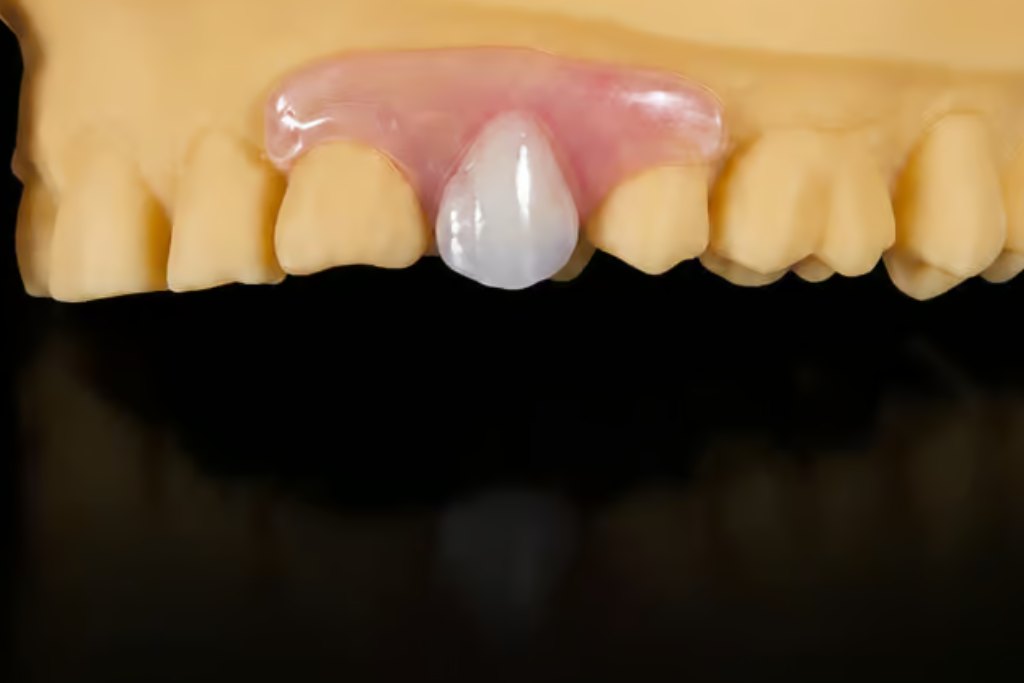
Replacing a missing tooth is a personal decision and there are several options to consider. A Nesbit partial denture is a removable way to replace a missing tooth without surgery or a larger traditional partial. Whether it’s a good fit for you depends on the location of the missing tooth, the health of your surrounding teeth and gums and what you’re looking for from your replacement.
If you’re considering a Nesbit partial, we’d be happy to discuss your options and answer your questions. We’ll look at your teeth, bite and the space left by the missing tooth to determine whether a Nesbit is appropriate for your situation. From there, we can explain what to expect and whether another type of tooth replacement may make more sense for you.